

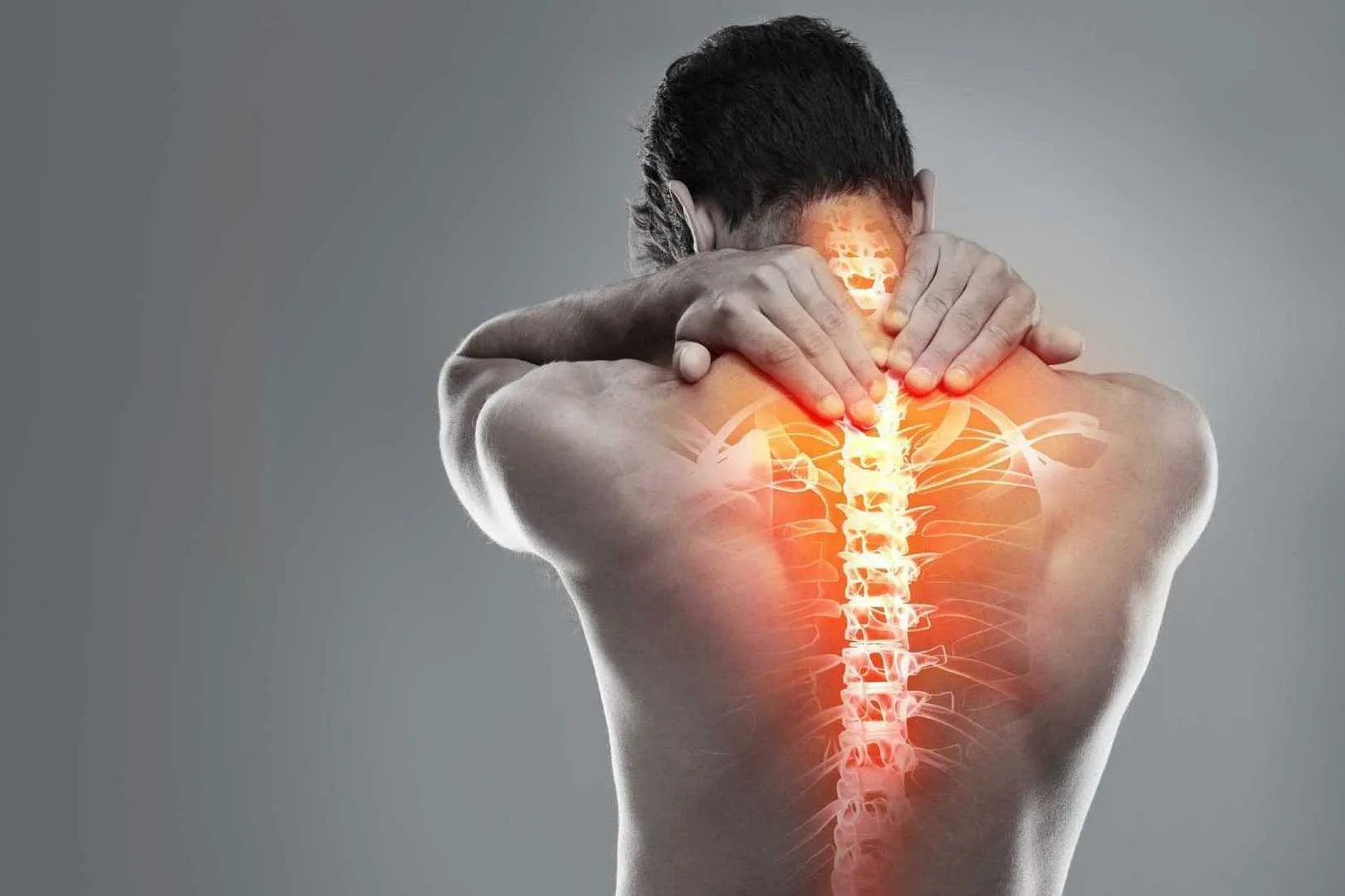
Spinal Cord Injuries (SCIs) are critical medical conditions affecting the nervous system. They can lead to partial or complete loss of motor function and impact mobility. Therefore, a timely and correct diagnosis of SCIs is crucial. It helps us determine the exact type of injury and create a precise treatment plan. Detecting the injury early is key to preventing further damage and complications.
What Are Spinal Cord Injuries?
Spinal Cord Injuries happen when there is damage to the spinal cord due to trauma, disease, or other medical situations. These injuries are generally categorized into two types:
- Complete Injury: Characterized by the total loss of motor and sensory function below the level of the injury.
- Incomplete Injury: Characterized by the partial preservation of some motor or sensory function below the level of the injury.
Common Causes and Symptoms of SCIs
Common Causes of Spinal Cord Injuries include:
- Road Traffic Accidents (RTAs)
- Falls
- Acts of violence (Fights)
- Underlying medical conditions such as inflammations, infections, and tumors.
Key Symptoms of Spinal Cord Injuries include:
- Loss of Sensations or tingling.
- Significant Weakness or Paralysis of Limbs.
- Difficulty in Breathing (in high injuries).
- Hypersensitivity to touch.
- Loss of bowel or bladder control.
How Are Spinal Cord Injuries Diagnosed?
The diagnostic process begins with immediate stabilization of the spine to prevent further damage. The medical team conducts a thorough evaluation before moving to advanced imaging
1. Initial Physical Examination
To diagnose SCIs, it begins with a physical assessment. This involves:
- Testing reflexes.
- Assessing muscle strength.
- Checking sensitivity in various body parts. The main aim is to locate abnormal reflex activity or paralysis.
2. Neurological Exam
A detailed neurological examination helps in evaluating the functions of the brain, spinal cord, and nerves. This exam rigorously checks muscle strength, analyzes reflexes, and assesses sensation to accurately map the extent of the damage.
3. Diagnostic Tests for Spinal Cord Injuries
Once the patient is stabilized, we perform advanced imaging tests. This medical center focuses on comprehensive diagnosis using its pioneering technology.
- X-rays: Used to identify fractures and misalignments of the spinal column.
- CT Scans (Computed Tomography): Provide detailed bony anatomy for a clearer view of fractures and bony fragments.
- MRIs (Magnetic Resonance Imaging): Essential for visualizing soft tissues, including the spinal cord itself, to identify damage to tissue, ligaments, and discs.
What to Expect During the Diagnosis Process
Preparation and support are vital during this critical time.
- Preparing for Scans: Before most scans, patients are advised to remove all jewelry or metal items and wear a gown. They must follow specific instructions, such as fasting before a contrast scan.
- Family Involvement: Family support is crucial for the patient’s emotional well-being. Additionally, families should be ready to provide the patient’s proper medical history and details to the medical team.
The process from injury to recovery starts with an accurate diagnosis. We use the combination of a thorough neurological assessment and the latest imaging tests to ensure every patient receives a precise and timely plan for treatment.